Loading...
Serving La Mesa, CA and surrounding areas. (858) 723-7450
Sunken slabs are common in La Mesa - clay soils, dry summers, and older homes are the usual cause. We lift and level settled concrete using mudjacking and foam injection, so your floors are stable and your doors close properly again.
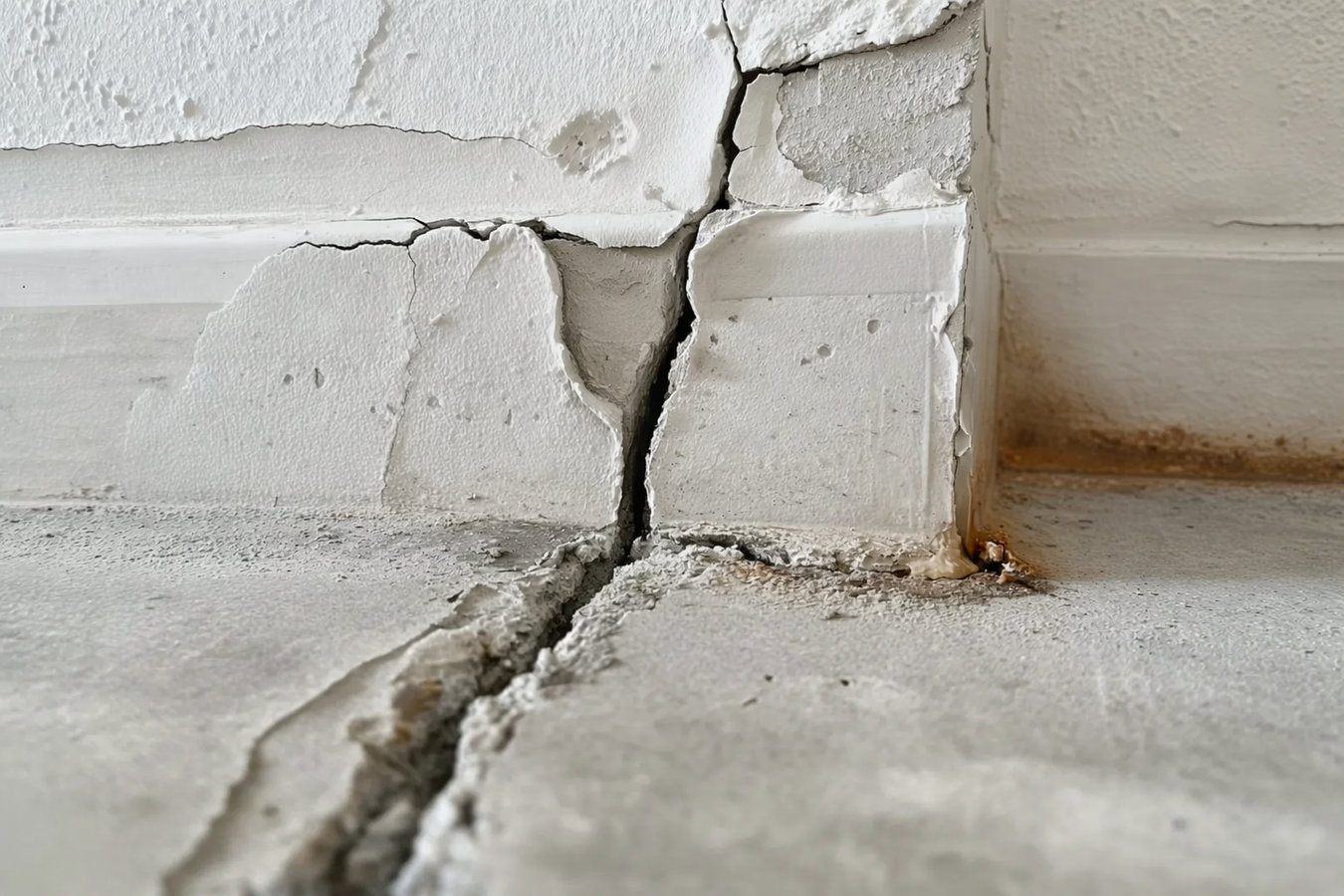
Foundation raising in La Mesa is the process of lifting a sunken or uneven concrete slab back to its original level position - a contractor pumps material beneath the slab through small drilled holes, fills the void underneath, and pushes the concrete back up. Most residential jobs are completed in a single day, and you can typically walk on the surface the same afternoon.
The reason this service is so common in La Mesa comes down to the soil. Much of the city sits on clay-heavy ground that expands when the winter rains arrive and contracts through the long dry summers - a cycle that pulls away from the edges of slabs and creates voids below them over time. Homes built between the 1950s and 1970s are especially susceptible, because the soil preparation standards of that era were not designed for decades of that kind of movement. If your settling is severe enough that the slab itself needs removal first, our concrete cutting service handles clean section removal before a rebuild.
Waiting makes foundation settling worse. The void grows larger, the concrete drops further, and what could have been a straightforward raise becomes a more expensive repair - or a replacement conversation. The California Geological Survey publishes regional data on expansive clay conditions across San Diego County that explain why this problem is so persistent in La Mesa's inland foothills.
If a door that used to swing freely now drags on the floor or refuses to latch, the frame may have shifted because the slab beneath it has moved. This is one of the most common early signs something is happening under your foundation. In La Mesa's older neighborhoods, this symptom often shows up after a dry summer when the clay soil has contracted and pulled away from the slab.
Walk along the edges of your rooms and look for a gap between the floor and the wall trim. A gap that was not there before - or one that seems to be growing - suggests the slab has dropped in that area. This is especially worth watching in homes built in the 1950s and 1960s, where the original soil preparation was not designed to handle decades of clay soil movement.
Stand in the middle of a room and notice whether the floor feels level. If you place a marble on the floor and it rolls consistently toward one wall, the slab has likely settled in that direction. This kind of slope is easy to dismiss as normal aging, but it tends to get worse over time if the underlying void is not filled.
Diagonal cracks running from the corners of door frames or windows are a classic sign of differential settling - meaning one part of your foundation has dropped more than another. A few hairline cracks are normal in any older home, but cracks wider than a pencil tip, or cracks that reappear after patching, deserve a closer look from a foundation professional.
We provide foundation raising across the full range of residential scenarios in La Mesa - mudjacking for cost-effective slab lifts on driveways, garage floors, and exterior flatwork; polyurethane foam injection where faster cure times and smaller holes are a priority; void filling without full raising when a slab is still stable but has a developing void beneath it; and post-raising drainage corrections to address the water management issues that cause voids in the first place. Every job starts with a written estimate and an honest conversation about whether raising is the right approach or whether replacement makes more sense. For projects where the settled concrete needs to come out first, our concrete cutting team handles clean section removal so the subsequent work has a stable edge to work from.
When raising is not the right call - because the slab is too damaged or the underlying soil problem cannot be corrected without a full rebuild - we say so. For homeowners facing that scenario, our slab foundation building service covers new concrete pours with proper sub-base preparation for La Mesa's clay soil conditions. The Concrete Foundations Association publishes industry standards that guide how reputable contractors approach slab repair versus replacement decisions.
Suits homeowners needing a cost-effective lift for garage slabs, driveways, and exterior flatwork where the slab is structurally sound but has dropped due to void formation.
Fits areas where faster cure time and smaller injection holes matter - like interior slabs or high-traffic surfaces where a same-day return to use is important.
The right approach when a slab is stable but has a void forming beneath it - filling the void prevents future settling before the surface drops far enough to cause visible damage.
Pairs with any raising job where poor drainage or irrigation contributed to the original void - redirecting water away from the slab is what keeps the repair from repeating.
La Mesa sits in the inland foothills of San Diego County, where the soil contains a significant amount of clay. Clay soil swells when wet and shrinks when dry - and that constant movement, season after season, is one of the leading causes of foundation settling in this area. The effect is most noticeable in late summer and early fall, after months without rain have pulled moisture from the ground and caused the soil to contract away from the edges of slabs. Homeowners in La Mesa also deal with a housing stock that is 50 to 70 years old in many neighborhoods - homes built when soil preparation standards were less rigorous than they are today.
Seismic activity adds another layer. La Mesa is located within a few miles of the La Nacion and Rose Canyon fault systems, and even small earthquakes can widen existing voids under a slab and accelerate settling that was already in progress. That combination - expansive clay, an aging housing stock, and proximity to active faults - makes foundation raising a recurring need across La Mesa's residential neighborhoods. Communities like El Cajon share the same inland soil conditions, and our crews work regularly across the East County area.
We ask what you are seeing, where in the home it is happening, and roughly how old the property is. This helps us come prepared with the right equipment and a realistic picture of what to expect. Most jobs can be scheduled for a site visit within a few days. Replies to inquiries typically happen within one business day.
We walk the property, measure how far affected areas have dropped, and look for related signs you may not have noticed - gaps at the garage door threshold, exterior cracks, soft spots in the slab. We explain what we find in plain language and give you a written estimate before any work is scheduled.
We confirm whether your specific job requires a permit from the City of La Mesa Building Division and handle that paperwork if it does. Once permits are confirmed - or confirmed unnecessary - we schedule the work day. We do not skip this step and we do not ask you to.
The crew drills small holes in the slab, injects the lifting material until the concrete reaches the correct level, then patches the holes with a concrete mix. Most jobs finish in a single day. We walk you through the before-and-after measurements and tell you exactly how long to stay off the surface before normal use.
Free on-site estimate. Written scope before any drilling starts. Permit handled if required.
(858) 723-7450La Mesa sits on expansive clay that swells each winter and shrinks each summer. We account for that soil cycle when assessing your slab - because a raise that ignores the root cause of the void is a temporary fix, not a real one. We tell you honestly what else may need attention before the job is done.
One of the biggest fears homeowners have is a contractor who finds more issues than actually exist. We walk every job with you, show you exactly what we see, and explain in plain language what needs to be done and what can wait. The California Geological Survey at conservation.ca.gov/cgs publishes regional soil data that informs how we approach expansive-clay repairs.
In La Mesa's active real estate market, unpermitted structural work can stall a sale or knock thousands off your asking price. When foundation raising is done correctly and permitted through the city, you have documentation that the problem was addressed professionally - paperwork that protects your investment and gives future buyers confidence.
La Mesa sits within a few miles of several active fault zones in the San Diego region. A slab that is already settled and sitting on voids is more vulnerable when the ground shakes. We factor proximity to the La Nacion and Rose Canyon fault systems into every assessment - not as a sales tactic, but because it is relevant to how we recommend stabilizing your slab.
Foundation raising is most valuable when it is part of a complete solution - not just a lift, but an honest diagnosis of why the slab dropped and what needs to change so it stays level. That is the standard we hold every La Mesa job to.
Precision saw cuts for drainage channels, utility openings, and section removal - often the step before foundation repair work begins.
Learn MoreFull slab pours for additions, ADUs, and new structures where raising an existing slab is not the right solution.
Learn MoreLa Mesa's clay soils keep moving every dry season - the longer a void sits unfilled, the bigger the job becomes. Call today.